Stratum 04 · Pottery & Artifacts
Southwestern pottery and artifacts, from type to museum
Corrugated gray, black-on-white and polychrome wares explained by period, what a trail sherd can tell you, and where artifacts are lawfully displayed.
- The Notebook desk
- 7 field notes
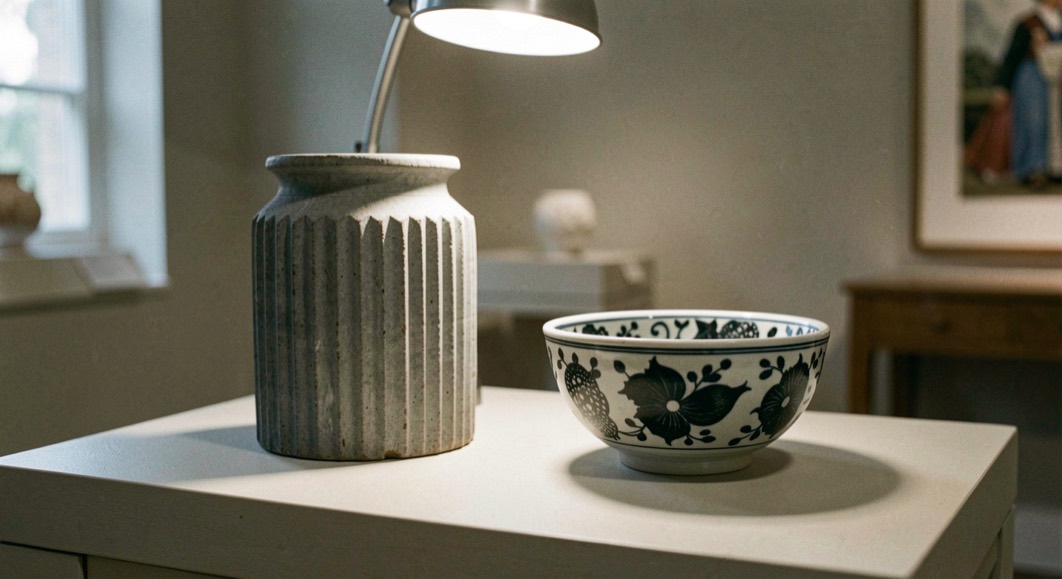
Pottery is how archaeologists date nearly everything in the Southwest, and it is beautiful in its own right. The guides here start with the type names, from corrugated utility jars to Mesa Verde Black-on-white and the polychromes, and show how a date hides in paste, temper and paint. A second guide covers the most common real-world encounter, the single sherd on a trail, and the three-part response: observe, record, leave it in place. The third follows the artifacts themselves into the museums and tribal institutions where they are lawfully kept and displayed.
The frame throughout is the law that protects archaeological material: a sherd on federal land is not a souvenir, and the reason is worth knowing before you pick one up.
In this stratum
-
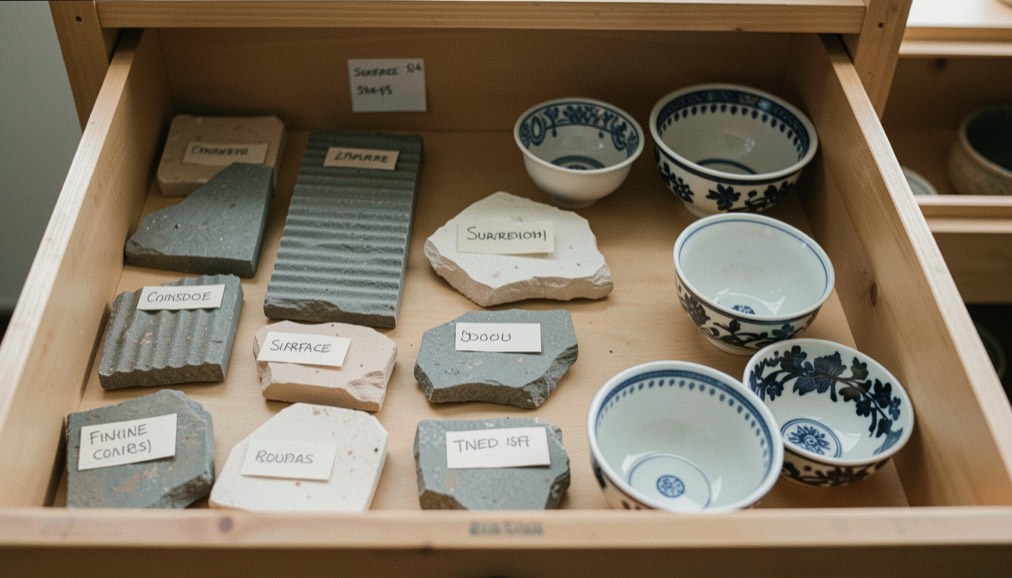
Drawing an artifact for publication
A pot illustration decides the vessel’s profile, its scale, and which surface details are legible long before anyone sets up a camera.
-

Fermentation in the Record: What Residues in Pots Tell Us
A pot that once held a fermented drink keeps the evidence in its pores. Archaeology reads that evidence chemically, and the result connects a nine-thousand-year-old jar to a demijohn on somebody's counter this week.
-

From Sherd to Shelf: What Happens to Excavated Pottery
Between the trench and the museum shelf a pot passes through hands most visitors never see. The decisions made there, wash or not, join or not, restore or leave alone, decide what the object can still say.
-

The design a pot refuses: reserve decoration and the empty space
Some of the most striking Southwest pottery is decorated by what was kept off it. Reserve and negative designs paint the background and let the clay carry the figure, a reversal that takes a second look to read.
-
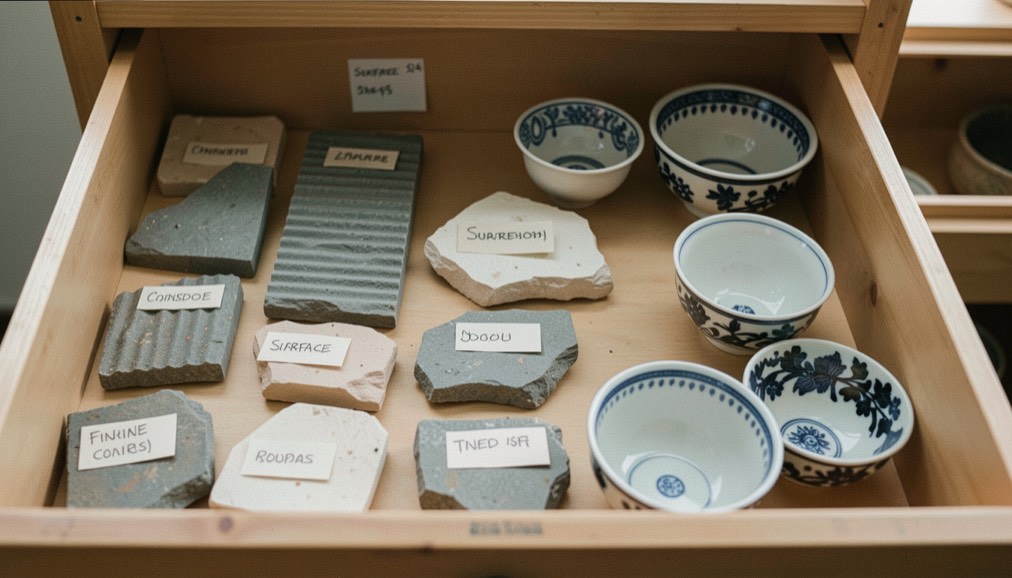
Southwestern pottery types, color by period
A Southwestern sherd is a dated letter from a vanished kitchen. Learn the color system behind the type names and every museum case, ruin trail and excavation report in the region opens like a book.
-
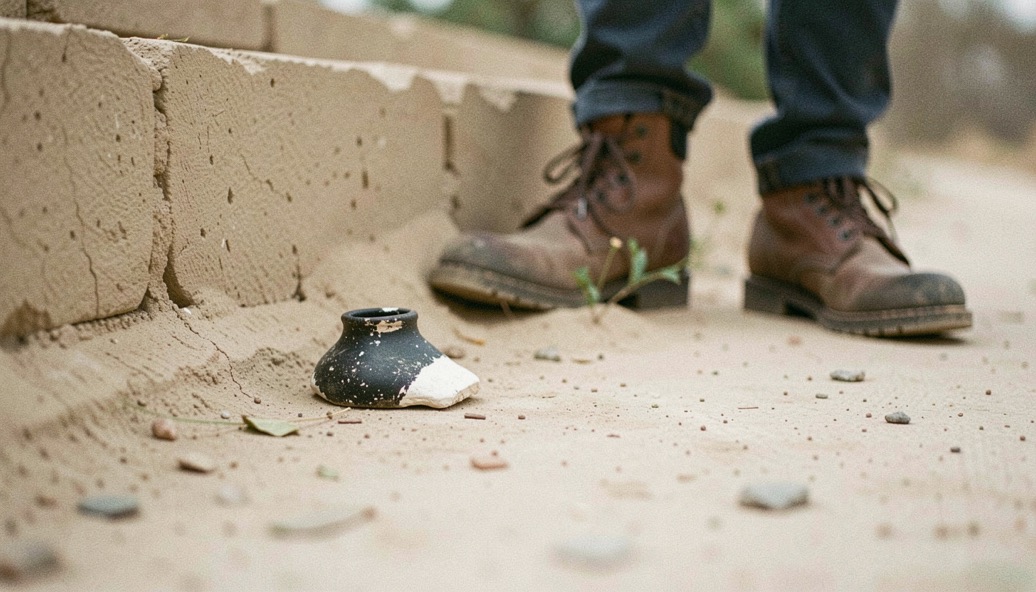
A sherd on the trail: look, record, leave
Sooner or later the Southwest puts a painted sherd under your boot. What you do in the next ten seconds decides whether you are a visitor or a looter, and the right choice is more interesting than the wrong one.
-
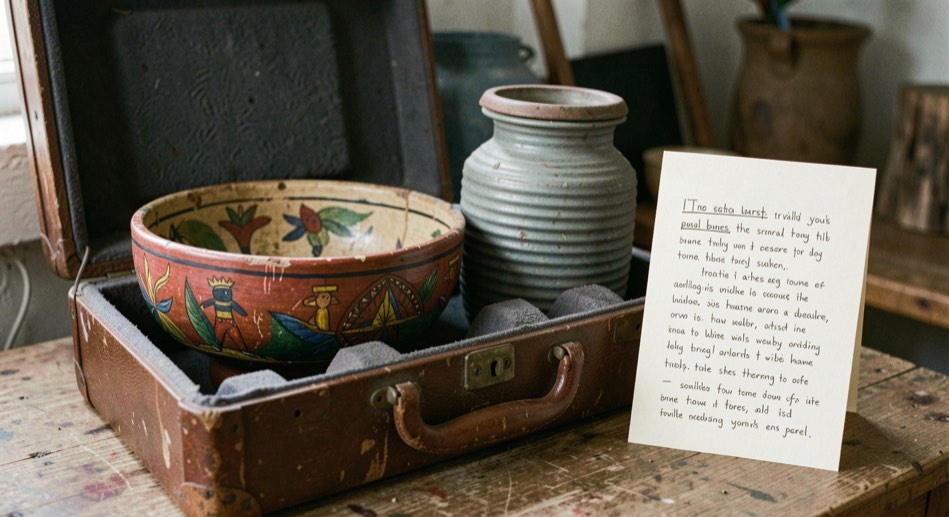
Where to see artifacts, lawfully displayed
The beautiful objects are mostly off the trail, behind glass and behind laws that finally reflect whose ancestors made them. Here is where to see Southwestern artifacts lawfully, and how to read the cases like a curator.
Every field note in this stratum is dated against the Pecos Classification timeline, the spine of the whole notebook, and two neighbouring strata extend it: Ancient Peoples and Iconic Sites.