Stratum 05 · Visit Responsibly
Visiting Southwest archaeological sites responsibly
A preparation checklist for site visits, the etiquette that keeps ruins standing, and the antiquities laws explained in plain language.
- The Notebook desk
- 9 field notes
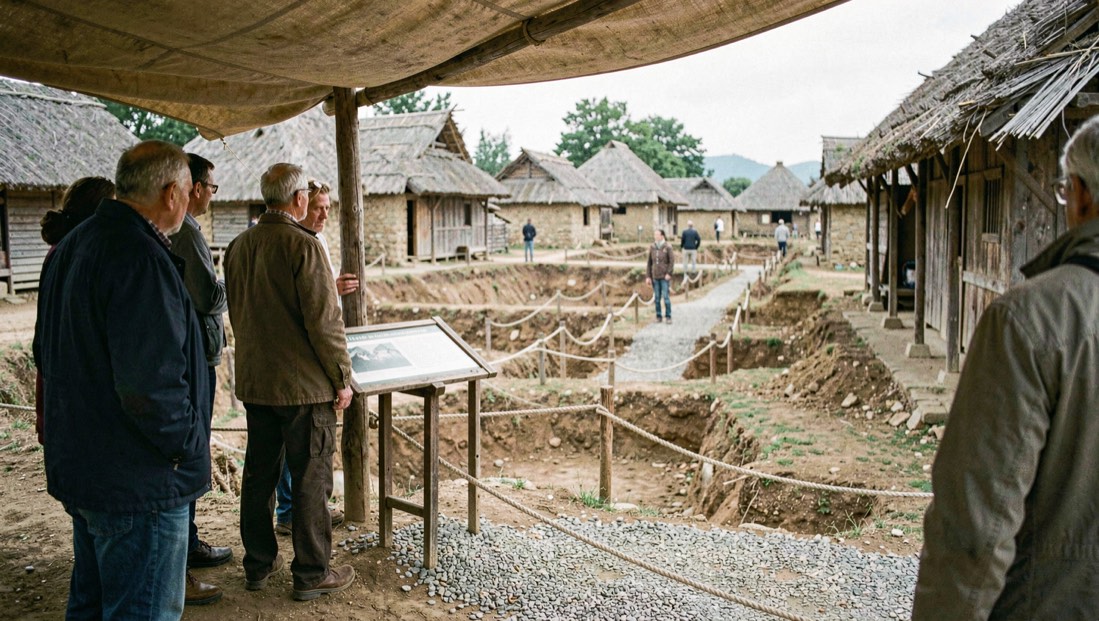
Most damage to Southwest sites is not villainy; it is thoughtlessness plus gravity, plus feet. The two guides in this stratum are the notebook's discipline. The first is the full preparation checklist: permits and road conditions, water and shoes, what to do at wall edges, ladders, graves and rock art, and how to behave when a site is also somebody's ancestral home. The second translates the protective laws, from the Antiquities Act of 1906 to ARPA and NAGPRA, into plain sentences a visitor can act on.
Read them before your first ruin, and again after your first ruin, when the temptation to climb a wall for a photograph will finally make sense to you.
In this stratum
-

Gravel Roads to Backcountry Sites: A Two-Wheeled Approach
A two-wheeled approach to backcountry archaeological sites asks the visitor to plan for surface, season, and distance before leaving pavement.
-
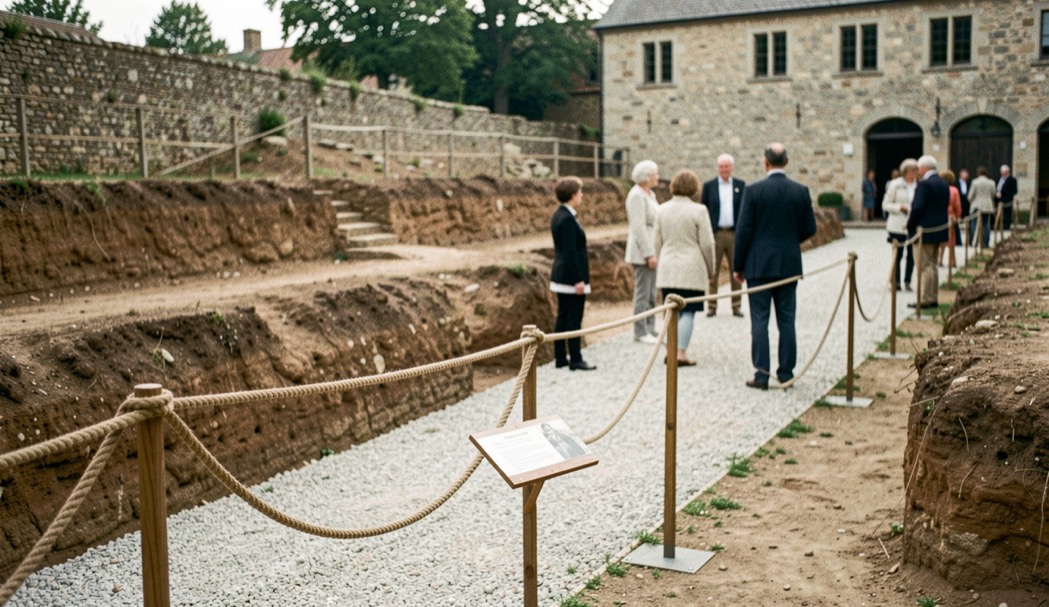
Taking Children to an Archaeological Site
A visit to an archaeological site works best when the child is at least four or five years old, when the drive is under ninety minutes each way, and when the day is built around two or three short stops rather than a full tour.
-

Planning a Remote Site Visit: Permits, Roads, Timing
A remote archaeological site visit requires a permit from the managing agency, a vehicle suited to unmaintained roads, and a schedule built around daylight and weather.
-

Public land between the sites: the rivers that run through archaeological country
Nobody drives from ruin to ruin without crossing the other West: national forest, BLM ground, a river reached by one gravel road. Reading that land is part of visiting the sites.
-

Fit for the canyon: honest measures before a site day
Mesa Verde asks for ladders, Chaco asks for miles, and the plateau asks for both at altitude. The visitor who measures fitness the way a coach measures an athlete gets more site for the same body.
-

Hunting and fishing seasons near the ruins
Autumn on the plateau belongs to two calendars at once: the visitor season and the hunting season. Knowing where they overlap is the difference between a quiet week and a surprise.
-

Mine Waste Then and Now: What the Tailings Standard Changed
Southwest ruins share the map with a younger industrial archaeology: the terraces and dams of the mining era. A modern tailings standard now governs what those deposits should have been.
-
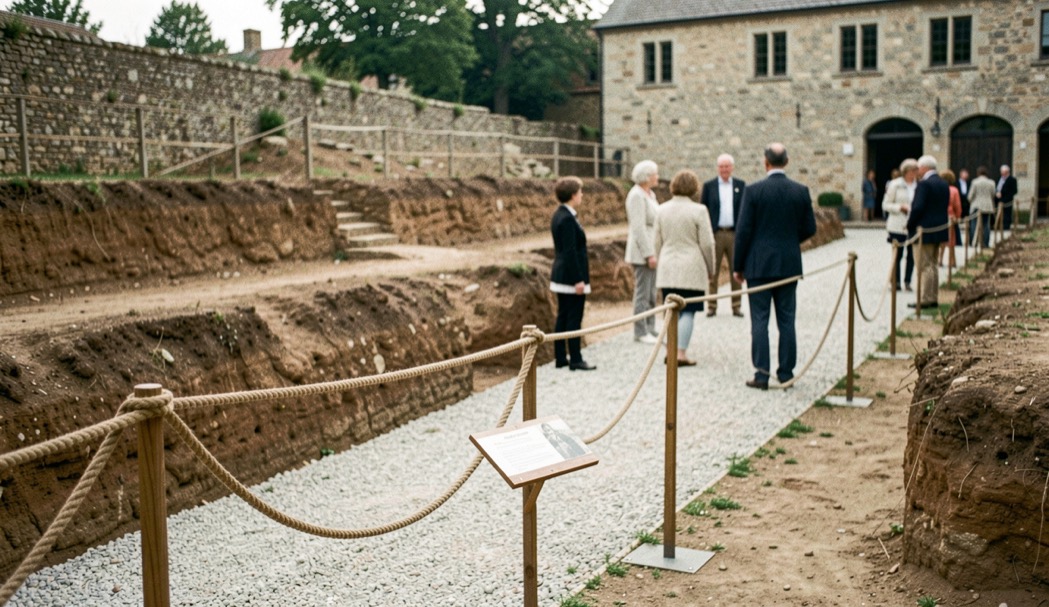
Visiting an archaeological site with care
A ruin visit is easy and it is rule bound, and the rules are not bureaucracy; they are the accumulated reasons sites survive. This checklist carries you from packing the car to leaving no trace that time can blame on you.
-
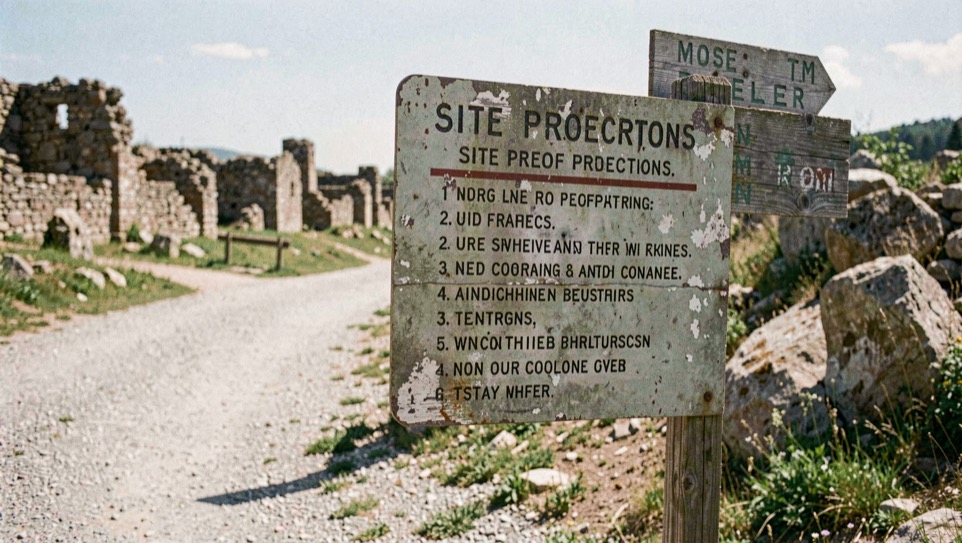
The laws that protect ruins, in plain words
Four federal laws decide what you may touch, photograph, collect and report at a Southwest site. They are shorter and saner than their reputations, and an hour with this guide makes every trail sign legible.
Every field note in this stratum is dated against the Pecos Classification timeline, the spine of the whole notebook, and two neighbouring strata extend it: Ancient Peoples and Iconic Sites.